

What Is Keratoconus?
Keratoconus is a progressive, non-inflammatory eye condition affecting the cornea, the transparent front layer of the eye. The term originates from Greek, meaning “cone-shaped cornea.” First identified in the 18th century, keratoconus is now recognized as the most common primary corneal ectatic disorder.
In keratoconus, the cornea gradually thins and bulges outward into an irregular cone-like shape. This structural change leads to irregular astigmatism and myopia, causing blurred and distorted vision. The condition typically affects both eyes asymmetrically and usually begins during adolescence, progressing until the 30s or 40s.
The prevalence of keratoconus varies by region and ethnicity, with an estimated incidence of 1 in 2,000 people worldwide.
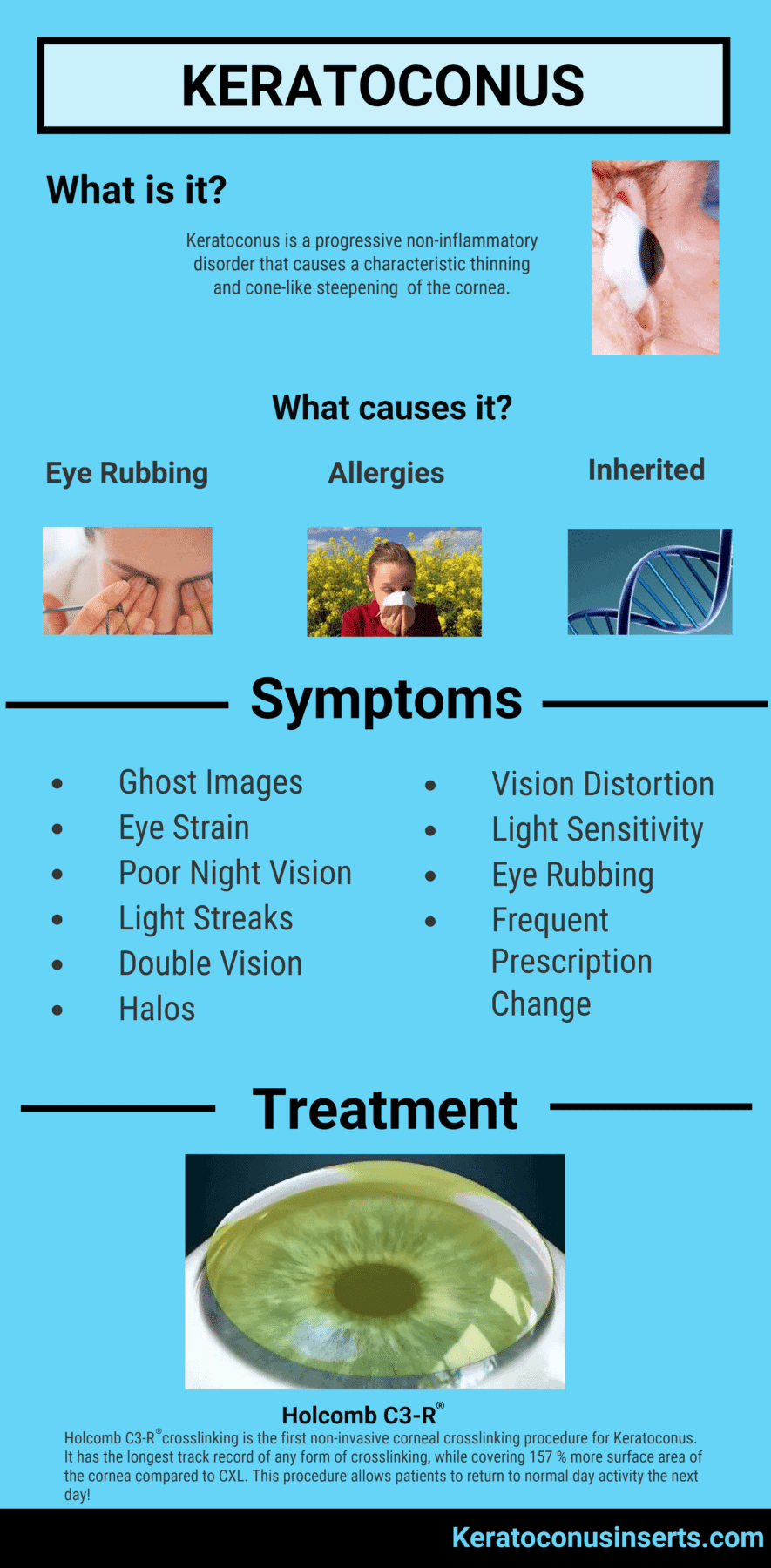
Causes and Risk Factors
The exact cause of keratoconus is unknown; however, several risk factors have been identified. Eye rubbing is one of the most significant contributors to disease progression. Genetic predisposition, environmental factors, and associated systemic or ocular conditions may also play a role.
Although keratoconus often starts in one eye, it commonly becomes bilateral over time. The highest risk of progression occurs within the first 5–6 years after diagnosis, particularly in younger patients.
Symptoms of Keratoconus
Symptoms vary depending on disease stage. Early signs include:
-
Progressive decrease in visual clarity
-
Frequent changes in glasses or contact lens prescriptions
-
Light sensitivity and eye irritation
In advanced keratoconus, characteristic clinical signs such as pronounced corneal protrusion and light reflection abnormalities may be observed, indicating severe corneal steepening.
Early diagnosis combined with appropriate treatment significantly improves visual outcomes.
Diagnosis of Keratoconus
Modern diagnostic techniques allow keratoconus to be detected at very early stages. Corneal topography and keratometry are essential tools for identifying irregular astigmatism and corneal thinning.
Placido-disc–based corneal topography systems are widely used in Turkey and play a crucial role in both diagnosis and long-term follow-up. Differential diagnosis includes conditions such as pellucid marginal degeneration, keratoglobus, and other non-inflammatory corneal disorders.
ICD Codes for Keratoconus
-
ICD-9 Code: 371.60 (outdated)
-
ICD-10 Code: H18.6
Accurate coding is essential for proper documentation, medical billing, and tracking treatment outcomes, especially for international patients seeking keratoconus treatment in Turkey.
Keratoconus Treatment Methods in Turkey
Treatment planning depends on the stage and progression of the disease. The primary goals are to halt progression and improve visual quality.
Non-Surgical Treatments
-
Glasses and soft contact lenses (early stages)
-
Rigid gas-permeable and specialty contact lenses (early–moderate stages)
These options improve vision but do not stop disease progression.
Surgical and Advanced Treatments
Turkey is a leading destination for keratoconus treatment within health tourism, offering advanced and cost-effective solutions such as:
-
Corneal Collagen Cross-Linking (CXL)
-
Intracorneal Ring Segments (ICRS)
-
Advanced laser treatments
-
Intraocular lens implantation
-
Corneal transplantation (keratoplasty)
Corneal Collagen Cross-Linking (CXL)
Corneal cross-linking is one of the most effective treatments for progressive keratoconus. It strengthens corneal tissue by increasing collagen bonds, improving biomechanical stability and slowing or stopping progression.
Clinical studies have shown:
-
Reduction in corneal steepness
-
Improvement in best-corrected visual acuity
-
Decrease in corneal irregularities and aberrations
For safe application, a minimum corneal thickness of 400 microns is required. Turkey offers state-of-the-art CXL treatments performed by experienced ophthalmologists using the latest technology.
Why Choose Turkey for Keratoconus Treatment?
-
Internationally accredited eye clinics
-
Experienced cornea specialists
-
Advanced medical technology
-
Affordable treatment costs
-
Comprehensive health tourism services