

An atrial septal defect (ASD) is one of the most frequently diagnosed congenital heart diseases. It occurs when the wall (septum) between the right and left atria fails to close completely during fetal development, allowing oxygen-rich blood to pass from the left atrium to the right atrium. This left-to-right shunt is mainly influenced by right ventricular compliance.
ASD represents a significant portion of congenital heart anomalies and is often diagnosed later in life due to the absence of early symptoms. Secundum-type ASD accounts for nearly 70% of cases and is more common in females. The condition is detected in approximately 2 per 1,000 live births and is the most common congenital heart defect seen in adults.
Genetic predisposition, advanced maternal age, diabetes, and elevated maternal blood glucose levels are known risk factors. ASD is classified into four main types based on defect location: secundum, primum, sinus venosus, and coronary sinus. Patent foramen ovale (PFO) is not considered a true ASD.
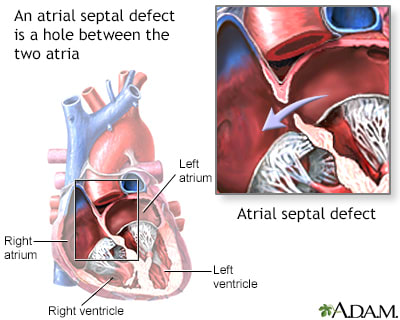
Symptoms and Diagnosis of ASD
Most infants and children with ASD are asymptomatic. Diagnosis is often delayed and usually made incidentally during echocardiography performed for heart murmurs or unrelated evaluations. Early diagnosis has increased due to routine pediatric cardiology referrals.
If left untreated, large ASDs may lead to pulmonary hypertension, heart failure, and atrial arrhythmias in adulthood. Early diagnosis and timely intervention allow patients to achieve a normal life expectancy and quality of life.
ASD Treatment in Turkey
Turkey has become a global destination for health tourism, offering advanced and cost-effective solutions for congenital heart diseases. Atrial septal defect treatment in Turkey includes both surgical and minimally invasive transcatheter closure techniques.
Secundum ASDs can be treated using catheter-based devices such as the Amplatzer Septal Occluder, while primum, sinus venosus, and coronary sinus defects generally require surgical repair. Treatment decisions depend on defect size, anatomy, and patient-specific factors.
Thanks to experienced cardiologists, state-of-the-art hospitals, and internationally accredited healthcare facilities, Turkey offers world-class ASD treatment for international patients.